How to Evaluate Water-proof Outdoor Camping Products
When you're deep in the backcountry and the skies opens, your gear is all that stands between you and a miserable night. Waterproof outdoor camping products-- from outdoors tents and tarpaulins to rainfall coats and sleeping bag covers-- are only as good as your ability to verify they in fact function. Don't wait until you're soaked to find out your equipment has actually stopped working. Below's just how to effectively check water resistant camping materials prior to you go out.
Comprehending Waterproofing Ratings
Before you begin any kind of hands-on screening, it helps to understand exactly how waterproofing is gauged. Most camping gear utilizes a hydrostatic head (HH) score, revealed in millimeters. This number tells you how much water stress a textile can withstand before it starts to leakage. A score of 1,500 mm is generally considered water-proof for light rainfall, while major camping gear generally falls in the 3,000 mm to 10,000 mm range. Joints, zippers, and layers can all influence real-world performance, so a high ranking on the material alone doesn't guarantee full protection.
The Basic Home Water Examination
The simplest way to check any type of water-proof product is with a garden tube or a bucket of water. Establish your outdoor tents, tarp, or lay your coat flat and imitate rains by running water over the surface continuously for five to 10 minutes. Enjoy closely for 2 points: beading and infiltration.
Water should bead up and roll off an effectively treated surface instead of soaking in and darkening the material. If the material starts to "damp out"-- indicating water spreads across the surface and takes in as opposed to grains-- the sturdy water repellent (DWR) layer may be worn down, even if the hidden membrane layer is still undamaged.
After the external test, check the inside of the material for any moisture. A couple of tiny damp spots near seams are worth keeping in mind, yet extensive wetness shows an extra severe trouble.
Examining Joints and Stitching
Seams are the most susceptible part of any type of water resistant gear. Even if the fabric itself is solid, poorly taped or sealed joints will certainly allow water in promptly. To test them specifically, run water straight along every joint line while pushing carefully on the material to replicate stress from wind or activity. After that inspect the inside right away.
What to Search for
Search for seam tape that is peeling, fractured, or raising at the sides. Even tiny voids in joint tape can enable considerable water invasion with time. If you find jeopardized joints, seam sealer is a cost-effective fix that can bring back complete water-proof performance before your journey.
Testing Rain Coats and Apparel
Water resistant garments calls for a slightly different technique. Place the coat on-- or things it with a cushion to maintain its form-- and subject it to a stable stream of water from a shower or pipe for numerous minutes. Move the jacket around as you would normally while treking, because flexing and movement can subject vulnerable points that aren't noticeable when the garment is fixed.
Checking the DWR Finish
After moistening the jacket, look at the outer surface. Healthy DWR finish creates water to grain right into rounded beads. If the textile surface area looks uniformly dark and wet instead, the DWR has actually weakened. This does not mean the jacket is spoiled-- the underlying waterproof membrane might still be functional-- but a compromised DWR makes you feel clammy and decreases breathability substantially. Bring back DWR with a wash-in or spray-on therapy and roll drying out on low warm can commonly bring old equipment back to life.
Stress and Cardiovascular Test
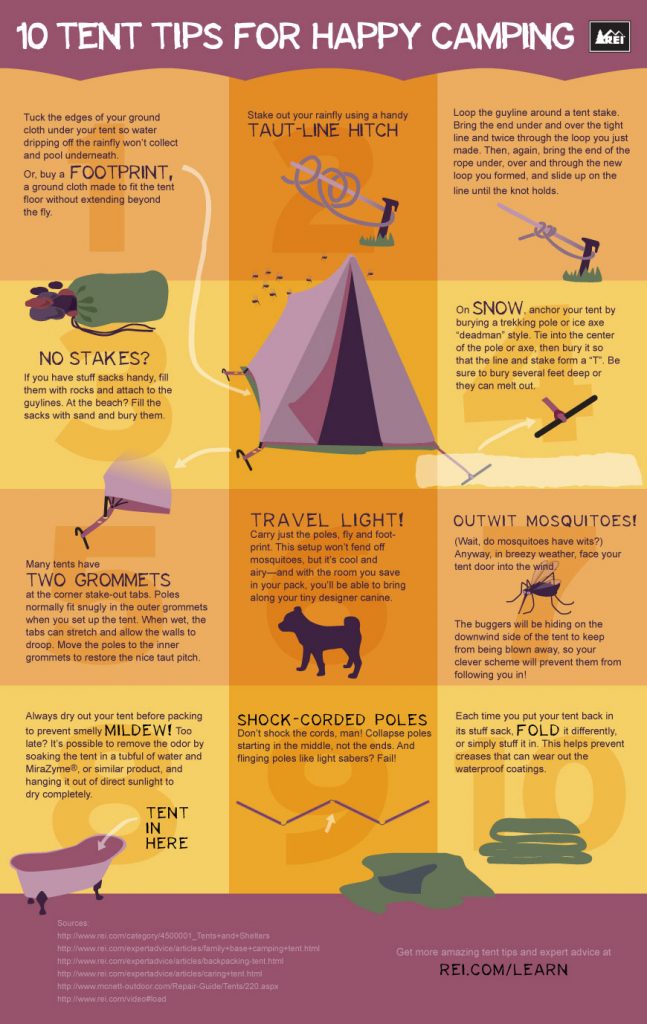
Genuine outdoor camping conditions entail greater than easy rains. Wind presses water versus surface areas, and contact with camping tent floorings or pack covers produces pressure points. Mimic this by pressing a wet cloth firmly versus seams and fabric panels for thirty secs and looking for infiltration. For camping tent floorings particularly, kneel on the material from the inside while someone applies water to the outdoors-- this resembles the stress of a body resting on the floor during a storm.
Examining After Cleaning and Storage space
Water resistant finishings deteriorate with use, heat, oils, and inappropriate storage. Constantly retest equipment after washing it, even if you used a technical cleanser. In a similar way, equipment that has actually been kept pressed for long periods-- a stuff click here for more sack at the bottom of a closet-- can create folds that worry the water resistant membrane layer. A fast test before the season starts can conserve you from unpleasant surprises.
When to Change Instead Of Repair
Not all waterproofing failures are fixable. If a membrane layer is noticeably split, flaking from the fabric, or if water penetrates easily despite fresh joint securing and DWR treatment, the product has actually gotten to the end of its useful life. Remaining to count on compromised equipment in extreme conditions is an authentic security danger. Buying a substitute prior to a significant trip is constantly much better than making do with equipment you're no longer certain in.
Examining your water resistant camping products takes less than an hour and can make the distinction in between a terrific experience and an unsafe one. Make it a behavior every season-- your comfort and safety depend on it.